上海歐贊自動化設備有限公司


精密PCB電路板樹脂塞孔研磨步驟樹脂塞孔與綠油塞孔的區別 二維碼
35
發表時間:2025-08-28 08:57作者:上海歐贊自動化設備有限公司來源:上海歐贊自動化設備有限公司 樹脂塞孔與綠油塞孔的區別
樹脂塞孔工程的制作要求
精密PCB電路板樹脂塞孔研磨步驟文檔中未詳細闡述具體研磨步驟,僅提及研磨是在塞孔、烘烤之后,將樹脂磨平,且磨板時橫豎各磨一遍,確保板面樹脂磨干凈,局部沒磨干凈的可手工打磨修理干凈,同時要控制磨板后樹脂凹陷不能大于0.075mm 。 樹脂塞孔的預防改善措施
樹脂塞孔常見的質量問題及其改進方法
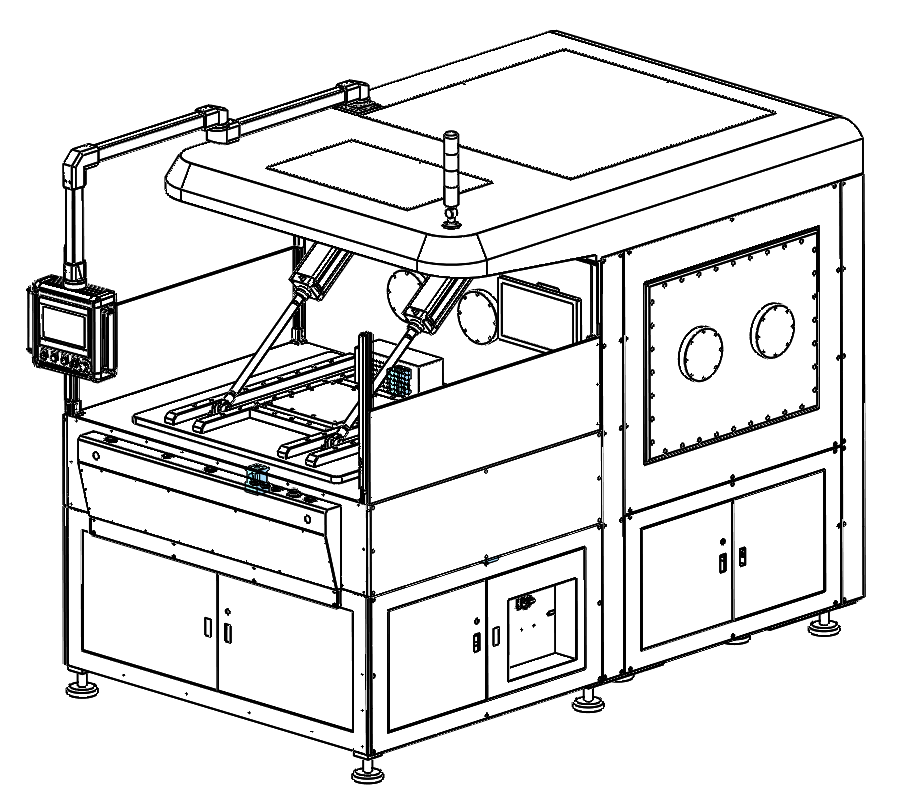
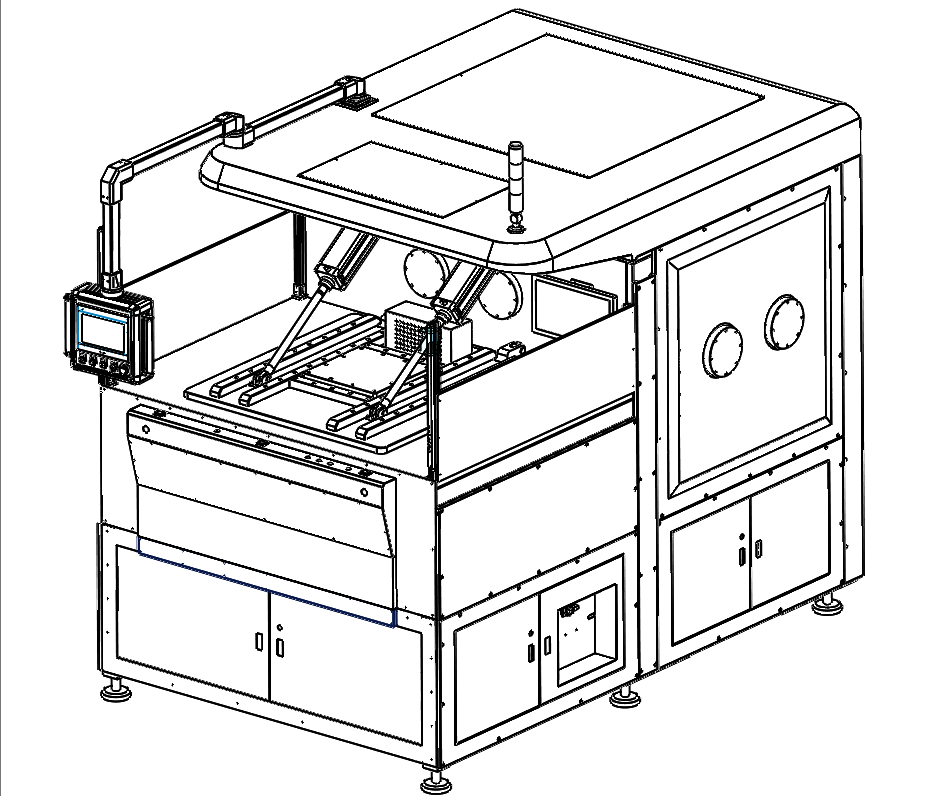
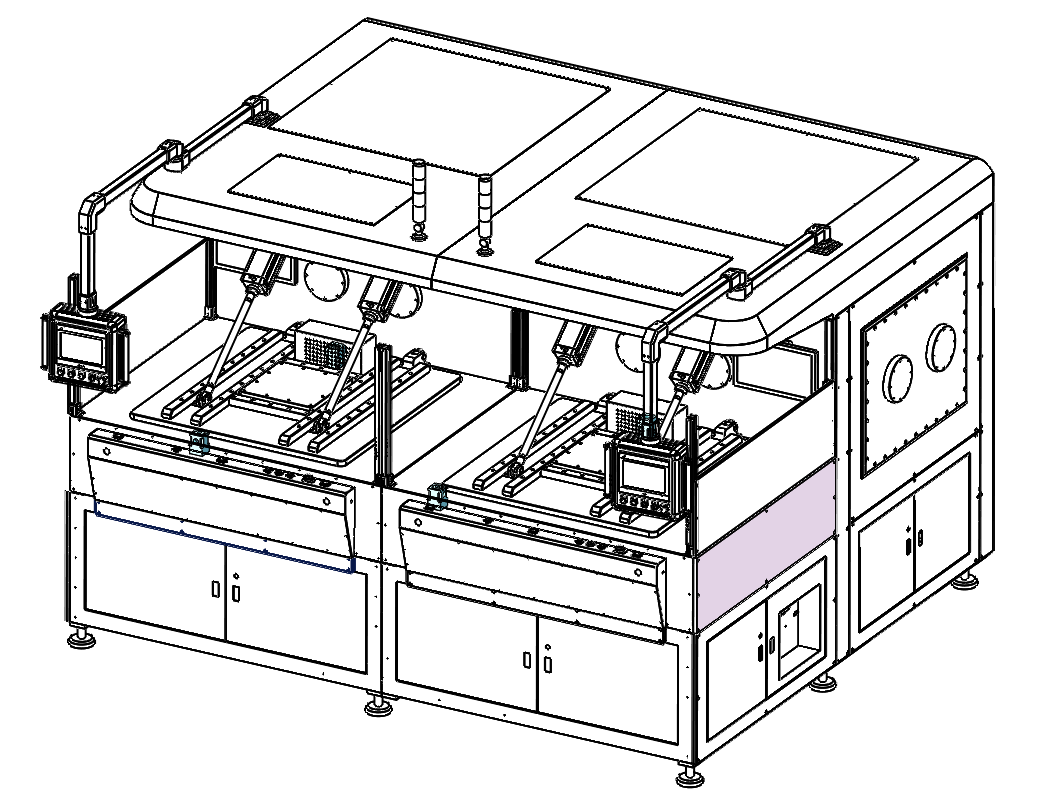
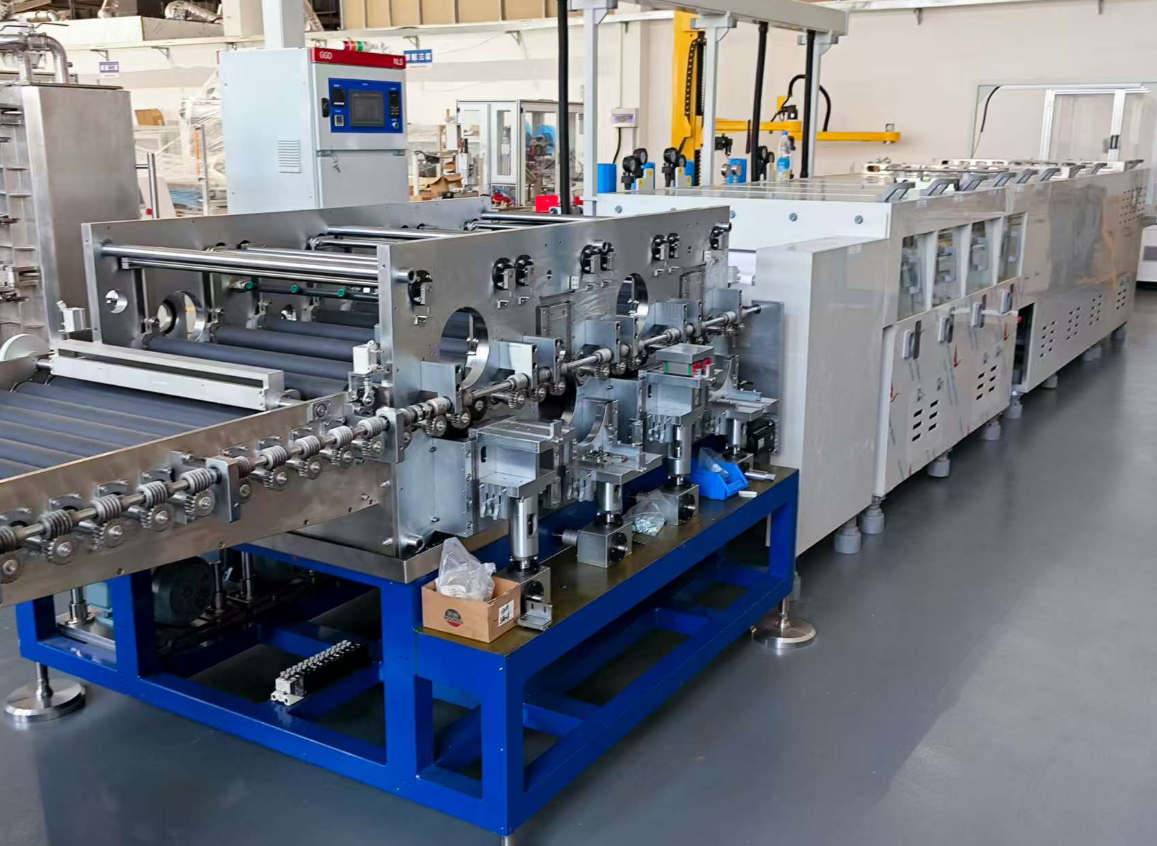
PCB樹脂塞孔的定義PCB樹脂塞孔的制程包括鉆孔、電鍍、塞孔、烘烤、研磨。鉆孔后將孔鍍通,接著塞樹脂烘烤,之后研磨磨平,磨平后的樹脂不含銅,需再鍍一層銅變成PAD,這些制程在原本PCB鉆孔制程前進行,先處理好要塞孔的孔,再鉆其他孔,按正常制程繼續。采用該工藝,PCB板表面無凹痕,孔可導通且不影響焊接,在高多層、厚度較大的產品上備受青睞,但因樹脂特性,制作需克服諸多困難以保證質量。 PCB加工中樹脂塞孔工藝在PCB研磨領域,憑借其深厚的行業經驗和持續的創新,形成了獨特的主打技術。公司專注于提供線路板研磨、塞孔的全方位解決方案,并已成功申請20余項專利,以**的生產技術服務滿足客戶的需求。 這些主打技術不僅提升了公司的市場競爭力,更推動了整個PCB行業的發展。公司擁有一支專業的非標真空設備研發團隊。針對當前真空塞孔設備效率不高的問題,我們專注于臺面傳輸系統的研發與改進,旨在提升設備效率。經過不懈努力,且其效率相較于現有設備提高了15-20%。設備的穩定性和效率均贏得了客戶的廣泛認可。在過去的三年里,我們不斷拓展市場,目前已與多家知名企業達成合作,包括方正、滬士、TTM、景旺、中富、奧士康、KB集團、崇達和勝宏等。隨著電子產品向輕、小、薄發展,高精度、高密度、高難度PCB板需求增多,為滿足行業發展,PCB制造商不斷創新工藝,樹脂塞孔工藝應運而生。它解決了綠油塞孔或壓合填樹脂不能解決的問題,在盲埋孔、HDI、厚銅等產品上普遍應用,涉及通訊、航空、電源、網絡等行業。該工藝在PCB里應用越來越普遍,尤其在高層數、高精密PCB多層電路板中,適應了裝配元器件微小型化發展,縮小PCB設計尺寸,提高了HDI、厚銅、背板等產品的可靠性和制作工藝能力。 醫療器械裝配線設備 |自動化裝配 |機器人裝配自動化 |自動化非標裝配 |醫療器械自動化組裝 |軍工產品裝配自動化 |自動化智能裝配生產線 |全自動裝配生產線,精密裝配自動化線 |智能裝配線自動化 |自動化線精密裝配 |PCB | 載板半導體|真空機|真空塞孔機|印刷線路板PCB陶瓷基板研磨機 |PCB陶瓷基板研磨機 |PCB真空塞孔機樹脂研磨機| PCB真空塞孔機研磨代工The difference between resin plug hole and green oil plug hole Process Principle Green oil plug hole: Fill the buried holes of HDI in the inner layer of PCB with green oil (solder mask ink), and complete the plug hole after curing. Resin plug hole: Use resin to plug the buried hole of the inner HDI, and then perform subsequent processes such as pressing. process effect Green oil plug hole: After curing, it will shrink and easily cause problems with blowing air inside the hole, making it difficult to meet high fullness requirements. Resin plug hole: solves the drawbacks of green oil plug hole, balances the contradiction between the thickness control of the pressed medium layer and the design of the inner HDI buried hole filling adhesive, and has more advantages in terms of fullness and plug hole quality. Process flow and cost Green oil plug hole: The process is relatively simple. Resin plug hole: The process is relatively complex and the cost is high. Requirements for the production of resin plug hole engineering Process sequence: including drilling, electroplating, plugging, baking, and grinding. After drilling, the holes are plated through, then filled with resin and baked, and then ground and smoothed. As the smoothed resin does not contain copper, another layer of copper needs to be plated to become a PAD. These processes are carried out before the original PCB drilling process. First, the holes to be plugged are processed, and then other holes are drilled, continuing with the normal process. Plumpness control: Controlling the plumpness of the inner HDI plug hole is a necessary condition for preventing bursting of the board; If plugging is done after the circuit, the time between plugging and pressing and the cleanliness of the board surface should be controlled. Resin protrusion control: Control the polishing and flattening of the resin, grind the board horizontally and vertically once to ensure that the resin on the board surface is completely polished. If there are parts that are not completely polished, they can be manually polished and repaired; The resin indentation after grinding cannot exceed 0.075mm. Electroplating requirements: Electroplating should be carried out according to the customer's copper thickness requirements, and after electroplating, slicing should be performed to confirm the degree of resin plug hole depression. Grinding steps for resin plug holes on precision PCB circuit boards The document does not provide a detailed explanation of the specific grinding steps, only mentioning that the grinding process involves grinding the resin flat after plugging and baking, and grinding the board horizontally and vertically once to ensure that the resin on the board surface is completely cleaned. If there are parts that are not completely ground, they can be manually polished and repaired. At the same time, the resin depression after grinding should not exceed 0.075mm. Preventive and improvement measures for resin plug holes Regarding the bubble at the orifice Select appropriate plug hole ink, control the storage conditions and shelf life of the ink. Standardized inspection procedures are used to avoid the occurrence of holes in the holes, relying on excellent plug hole technology and good screen printing conditions to improve the yield of plug holes. Regarding the insufficient filling of the plug hole: similar to the measures mentioned above to control the filling degree of the inner HDI plug hole, control the time from plug hole to pressing and the cleanliness of the board surface. Regarding resin and copper layering Choose the appropriate resin, especially the selection of material Tg and expansion coefficient, suitable production process, and adhesive removal parameters, to avoid detachment of solder pads and resin after heating. When the copper thickness on the surface of the hole is greater than 15um microns, it can greatly improve the problem of resin and copper delamination. Common quality problems and improvement methods of resin plug holes Frequently Asked Questions Orifice bubble The plug hole is not full Resin and copper layering Improvement method: Same as the prevention and improvement measures mentioned above. Definition of PCB resin plug hole The process of PCB resin plug hole includes drilling, electroplating, plug hole, baking, and grinding. After drilling, the holes are plated through, then filled with resin and baked, and then ground and smoothed. The smoothed resin does not contain copper and needs to be plated with another layer of copper to become a PAD. These processes are carried out before the original PCB drilling process. First, the holes to be plugged are processed, and then other holes are drilled, continuing with the normal process. By using this process, the surface of the PCB board is free of dents, and the holes are conductive without affecting soldering. It is highly favored in products with high layers and large thicknesses. However, due to the resin properties, many difficulties need to be overcome in production to ensure quality. The resin plug hole process in PCB processing has formed a unique flagship technology in the field of PCB grinding, relying on its profound industry experience and continuous innovation. The company focuses on providing comprehensive solutions for circuit board grinding and hole plugging, and has successfully applied for more than 20 patents to meet customer needs with excellent production technology services. These flagship technologies not only enhance the company's market competitiveness, but also promote the development of the entire PCB industry. The company has a professional non-standard vacuum equipment research and development team. In response to the low efficiency of current vacuum plug hole equipment, we focus on the research and improvement of tabletop transmission systems, aiming to enhance equipment efficiency. After unremitting efforts, its efficiency has increased by 15-20% compared to existing equipment. The stability and efficiency of the equipment have won wide recognition from customers. In the past three years, we have continuously expanded our market and have established partnerships with several well-known enterprises, including Founder, Hushi TTM、 Jingwang, Zhongfu, Aoshikang, KB Group, Chongda, Shenghong, etc. With the development of electronic products towards light, small, and thin, there is an increasing demand for high-precision, high-density, and difficult PCB boards. In order to meet the development of the industry, PCB manufacturers continue to innovate their processes, and resin plug hole technology has emerged. It solves the problem that cannot be solved by green oil plug holes or pressure filled resin, in blind buried holes HDI、 Thick copper and other products are widely used in industries such as communication, aviation, power supply, and networking. This process is becoming increasingly common in PCB applications, especially in high-level, high-precision PCB multilayer circuit boards. It adapts to the development of miniaturization of assembly components, reduces PCB design size, and improves the reliability and manufacturing process capabilities of HDI, thick copper, backplate and other products. Medical device assembly line equipment | Automated assembly | Robot assembly automation | Automated non-standard assembly | Medical device automation assembly | Military product assembly automation | Automated intelligent assembly production line | Fully automatic assembly production line, precision assembly automation line | Intelligent assembly line automation | Automation line precision assembly | PCB | Carrier semiconductor | Vacuum machine | Vacuum plug hole machine | Printed circuit board PCB ceramic substrate grinding machine | PCB ceramic substrate grinding machine | PCB vacuum plug hole machine resin grinding machine | PCB vacuum plug hole machine grinding OEM FLY-810單臺面雙倉真空塞孔機
FLY-820上下雙臺面雙倉真空塞孔機
FLY-820L左右雙臺面雙倉真空塞孔機
|